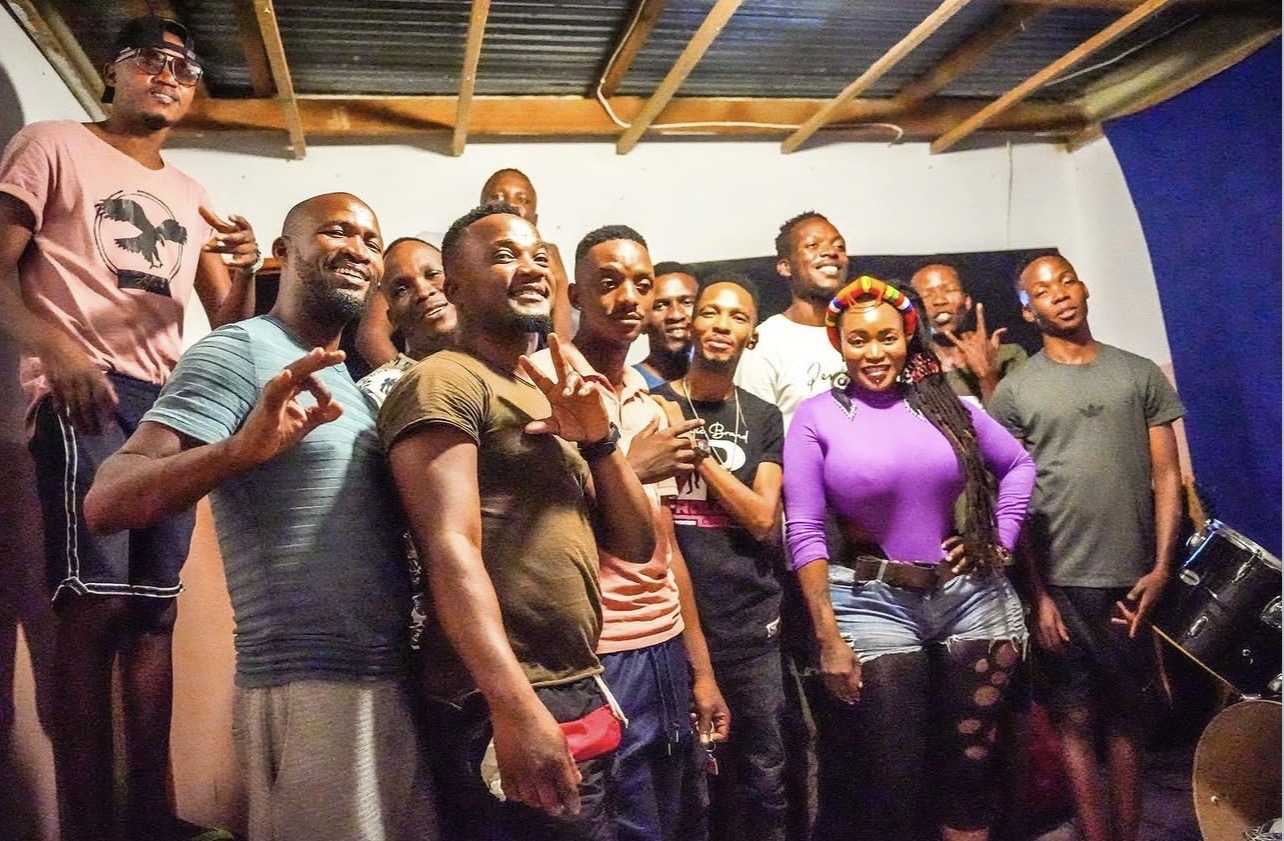
 Explore the research
My research begins with music, but it rarely ends there.
I am interested in how people create cultural futures, how authority over culture is negotiated, how young people inherit and reshape the worlds around them, and how institutions listen — or fail to listen — to communities whose knowledge is often treated as secondary.
Ethnomusicology gives me one way into these questions because music is never only sound. It carries memory, labour, aspiration, identity, hierarchy, humour, conflict, belonging and political possibility.
My wider research therefore moves across African Studies, community-engaged research, cultural authority and ownership, youth futures, education, cultural tourism, social healing, technology, Indigenous authority, and the ethics of how knowledge is made.
A practice-led ethnomusicological study of San youth musical practice, cultural labour, political voice and the politics of recognition in Botswana.
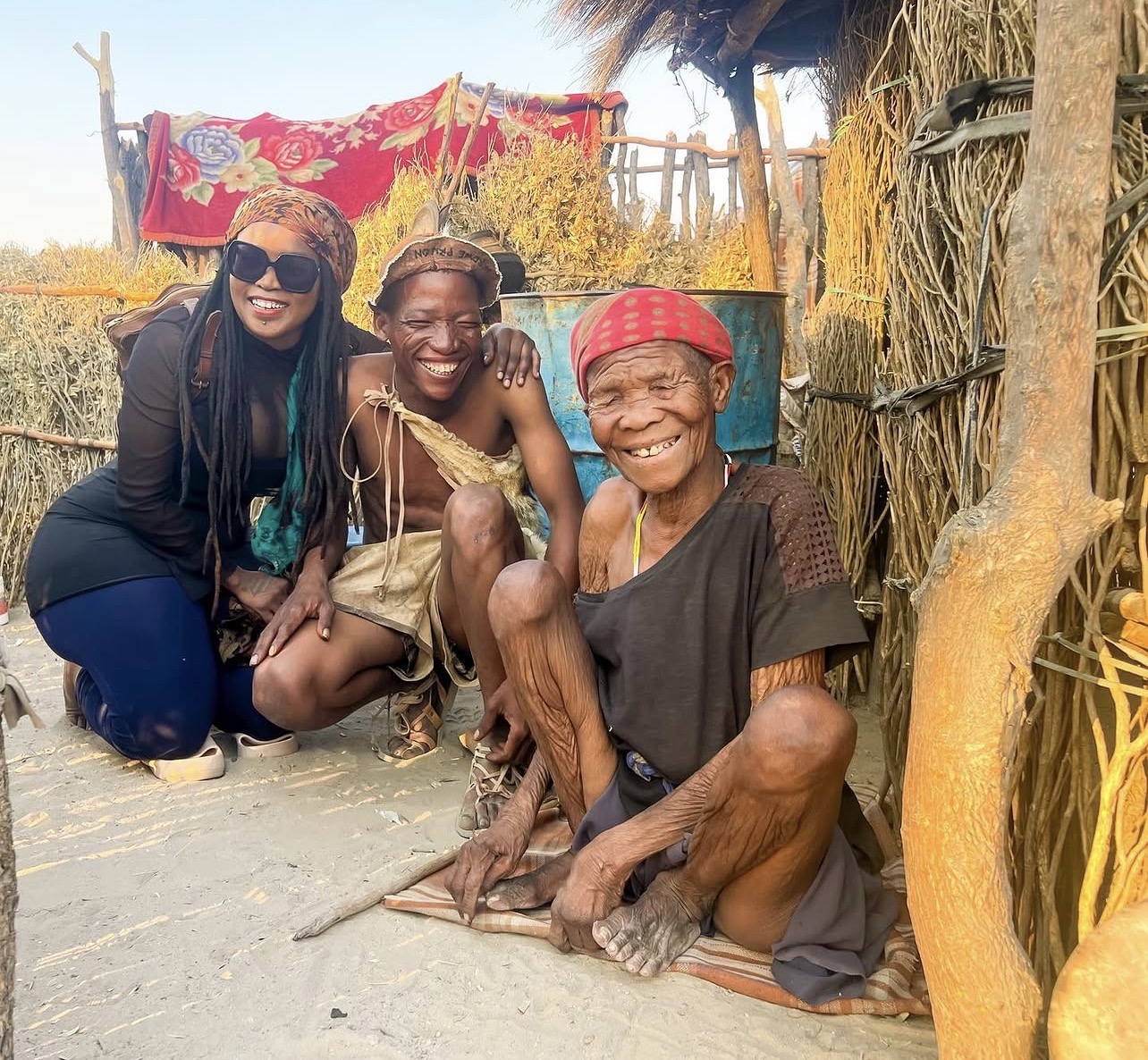
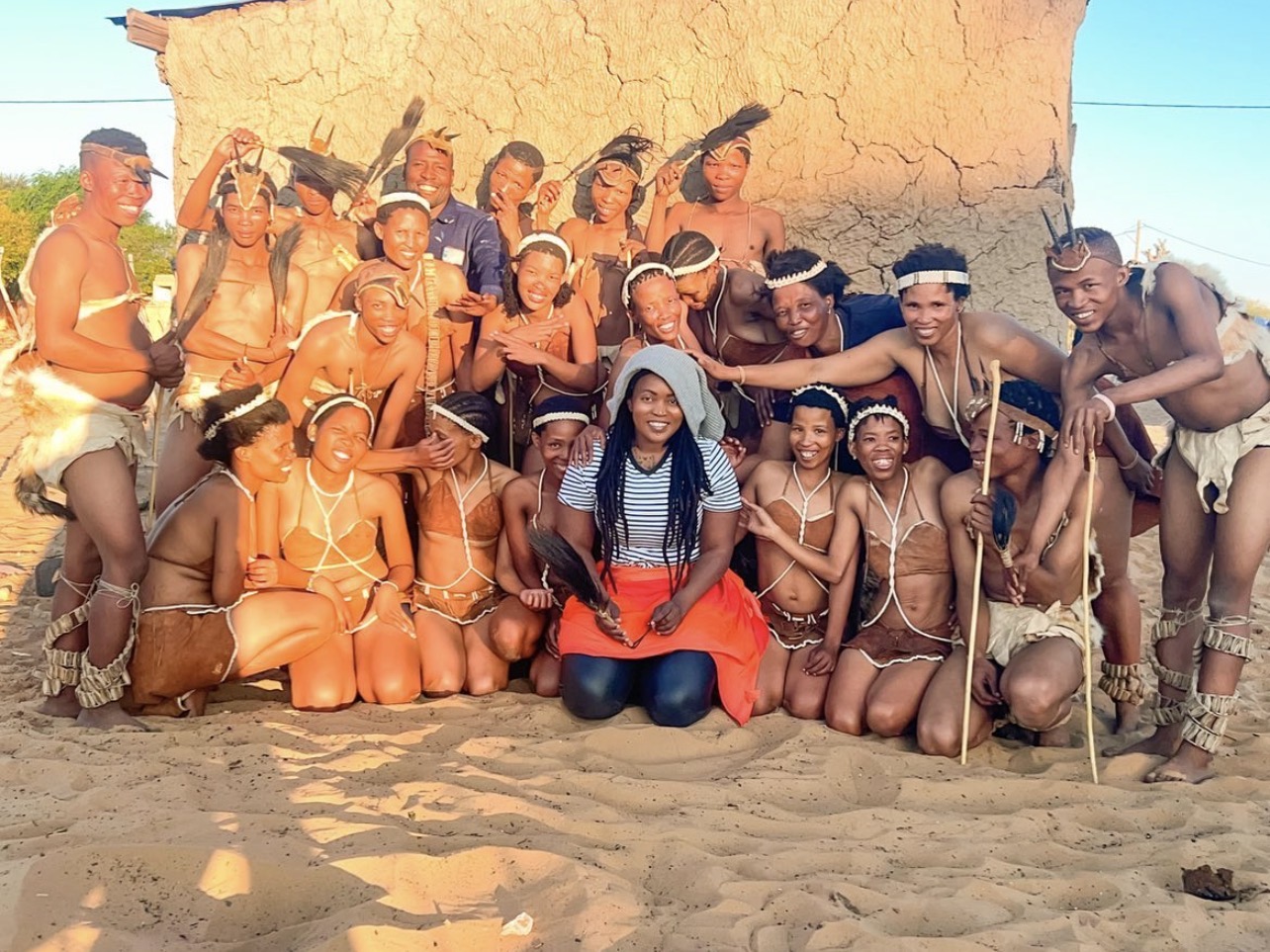
The doctoral research examined how young San people make, perform and negotiate musical life within wider conditions of inequality, cultural representation and social change.
Rather than treating music as an isolated cultural object, the research followed the relationships around it: work, schooling, mobility, tourism, identity, community expectations, public representation and the unequal conditions under which some forms of cultural expression become visible while others remain unheard.
The project also asked what ethical listening requires from the researcher — particularly when research takes place in relationships shaped by proximity, responsibility and unequal institutional power.
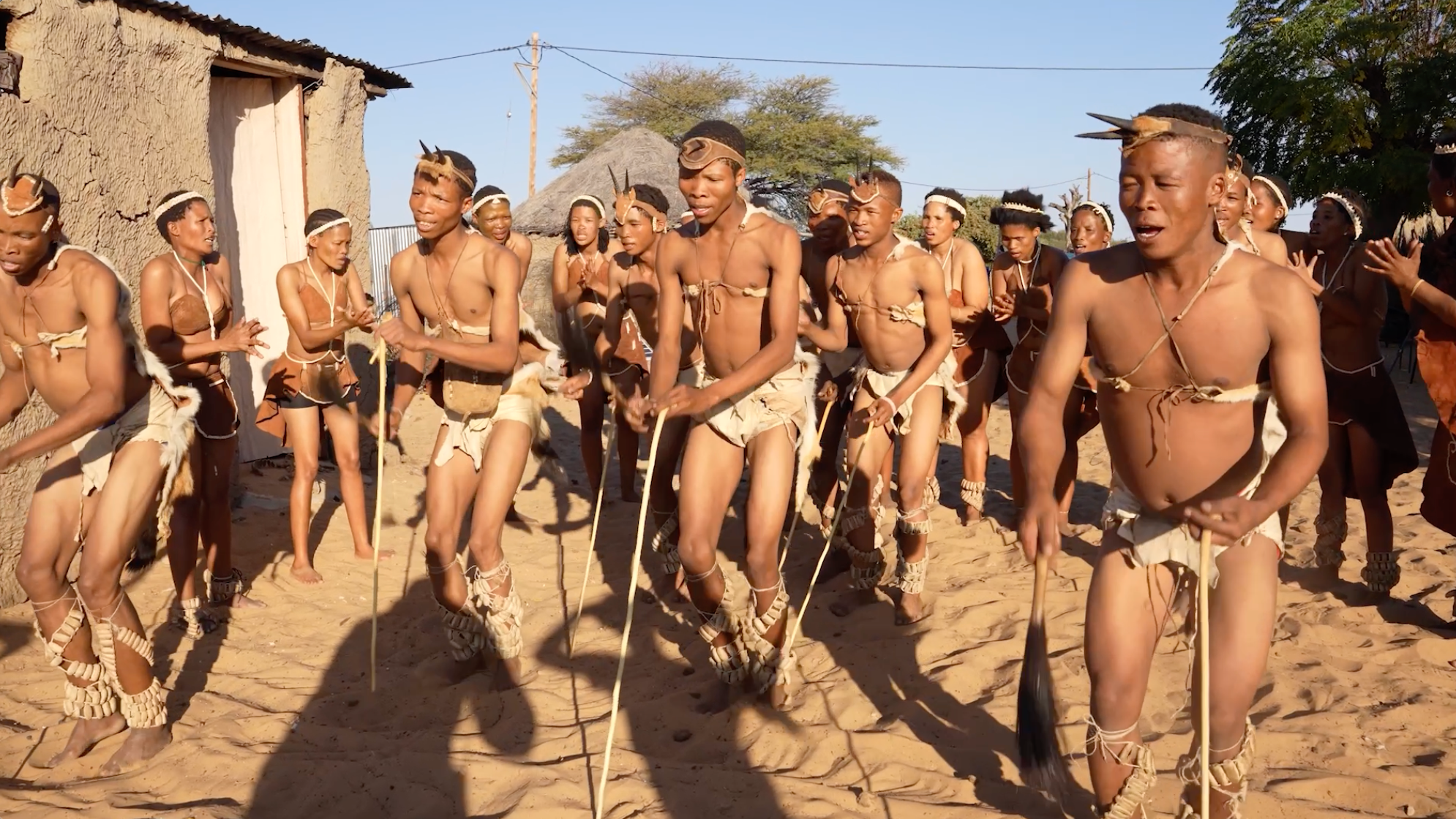
Film formed part of the research itself, not simply its documentation. Created alongside the written doctoral thesis, these six ethnographic films explore musical practice, youth experience, cultural labour and everyday life through encounters that sound and image can hold differently from written scholarship.

Edit individual video links and posters under Research in Manage Site.
The doctoral project is one part of a wider programme of questions about African cultural life, authority, social change and the futures people are trying to make.
How sound and musical practice participate in the making of identity, belonging, memory and public recognition.
How young people negotiate inheritance, aspiration, work, creativity and the pressures attached to representing culture.
Questions of ownership, representation, authorship and who has the authority to define cultural knowledge and its uses.
How emerging technologies complicate questions of cultural ownership, extraction, consent, imitation and authority.
The relationships between memory, dignity, recognition, cultural expression and the possibility of social repair.
Research that understands communities as knowledge partners rather than simply sites from which information is collected.
How knowledge moves across generations, institutions and informal cultural spaces, and what education makes visible or obscures.
How culture becomes staged, valued, consumed and negotiated within tourism economies and wider public representation.
The ethical conditions of fieldwork, including risk, proximity, precarity, emotional labour, institutional responsibility and care.
Scholarship that enters public conversation without flattening complexity, cultural difference or local authority.
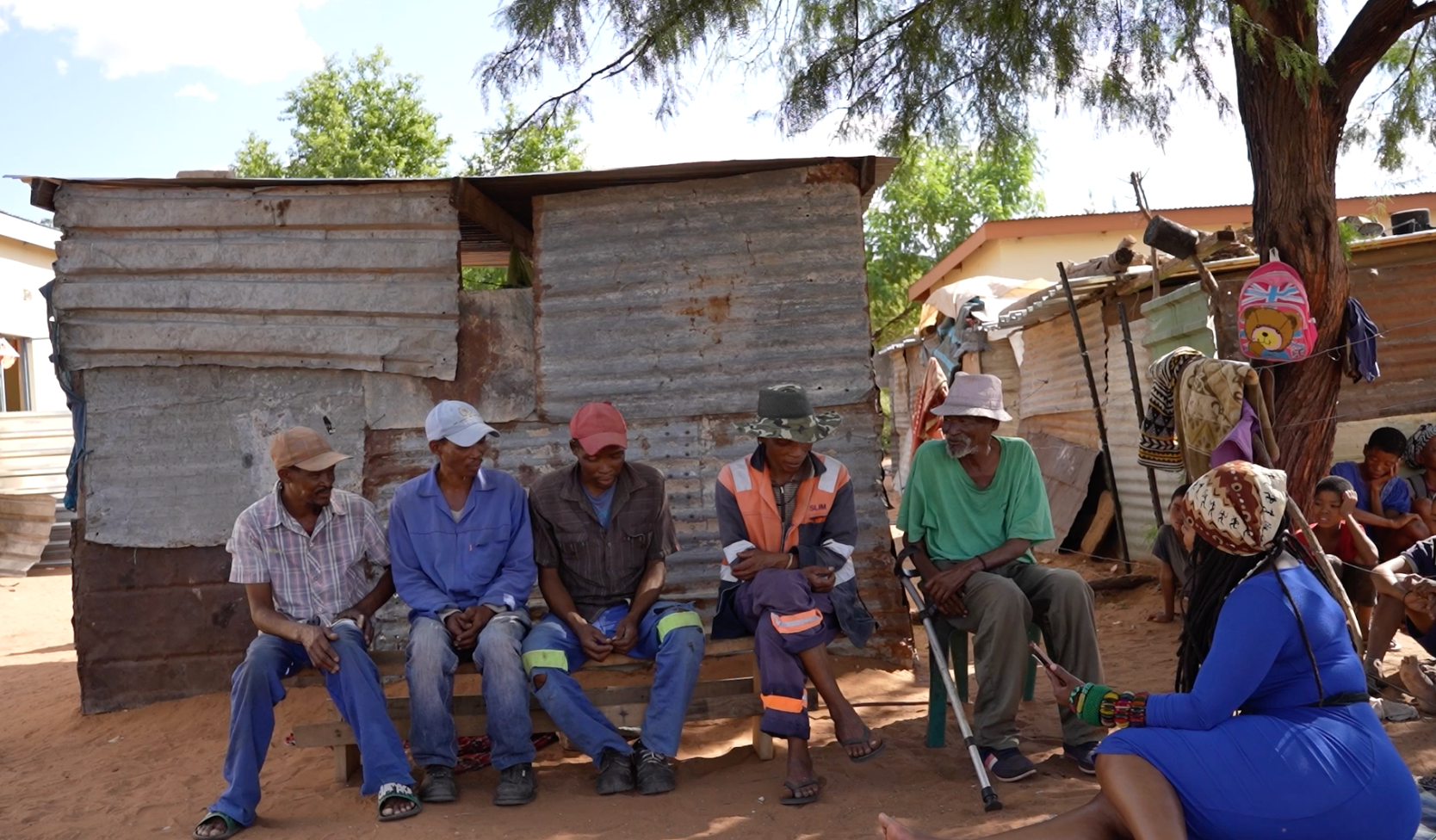
Ethical research is shaped not only by what researchers intend to do, but by the conditions under which they are able to do it.
My work on Researching in Proximity examines the often-neglected ethical conditions surrounding fieldwork: personal risk and precarity, boundaries, emotional load, isolation, caring responsibilities, secondary trauma, difficult knowledge, institutional responsibility and the transition out of the field.
It asks what universities, supervisors and funders owe fieldworkers beyond procedural ethics approval — and what happens when “resilience” is used to describe situations that may actually reflect structural failure.
This work is developing into a dedicated platform for training, teaching and practical support around fieldwork ethics, researcher care and institutional responsibility.
Visit RERAR.org →Research writing across peer-reviewed scholarship, chapters, essays and work in progress. Final publication links, DOIs and downloadable versions can be added as they become available.
A substantial chapter extending the research into questions of African music, culture, identity and public scholarship.
Current scholarly work developed from the doctoral research and its wider questions of recognition, representation and cultural life.
Developing writing on fieldwork ethics, researcher care and the ethical conditions under which research is produced.
A paper arguing that researcher care is not separate from research ethics: the conditions of fieldwork shape a researcher’s capacity to conduct ethical research.
The presentation considered precarity, boundaries, emotional load, caring responsibilities, institutional responsibility and what happens after fieldwork ends.
Selected research contribution accepted for the 2026 symposium programme.
A research paper accepted for symposium circulation, extending the work into questions of translation, representation and cultural meaning.
Additional accepted abstracts, conference papers, lectures and invited research conversations can be added here as the record grows.
Knowledge should not remain trapped inside academic language or institutional walls.
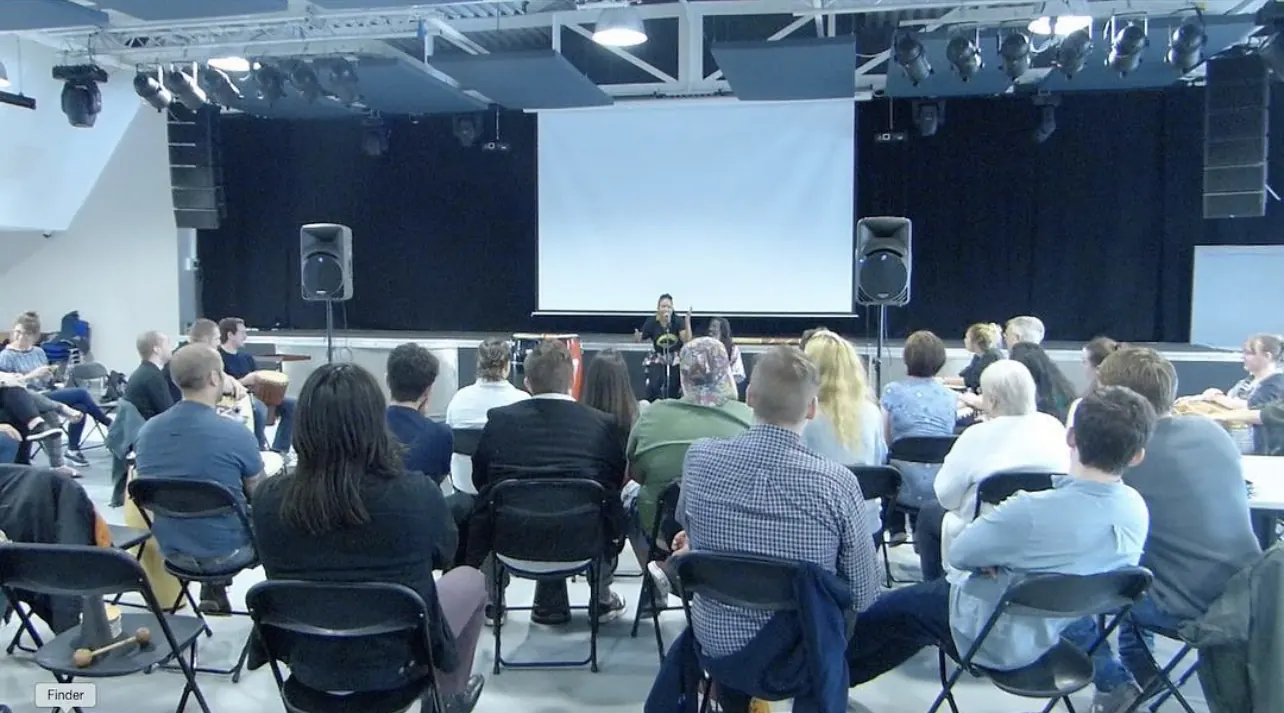
The Music of Africa masterclasses translate ethnomusicological thinking, cultural context and African musical knowledge into accessible learning for students, researchers, cultural organisations and public audiences.
The sessions can move between music, history, identity, cultural authority, representation, listening and the social worlds around sound — creating space for people to encounter African music as knowledge, not simply as entertainment or genre.
Explore Teaching & Masterclasses →
My research is intended to travel beyond publications and conference papers. I am available for selected collaborations, consultancy, invited research conversations and educational work with universities, research institutes, cultural organisations, community-facing projects and other organisations working across Africa and internationally.
Workshops, talks and consultancy on fieldwork ethics, researcher precarity, boundaries, emotional load, caring responsibilities, institutional responsibility and post-fieldwork care.
Sessions for researchers and research teams preparing for fieldwork, navigating difficult ethical decisions during research, or reflecting on responsibilities after leaving the field.
Research conversations and advisory work around cultural representation, Indigenous authority, ownership, recognition and the ethics of working with community knowledge.
Emerging work around artificial intelligence, cultural extraction, authorship, consent and the implications of new technologies for Indigenous and African cultural authority.
Support for projects seeking more thoughtful approaches to community relationships, knowledge exchange, participation and responsibilities beyond data collection.
Research collaboration and speaking around youth cultural practice, creativity, cultural labour, education, aspiration and changing African futures.
Lectures, masterclasses and educational programmes connecting African music with history, identity, cultural context, representation and social life.
I welcome conversations around interdisciplinary research, publications, funded projects, institutional partnerships and projects where ethnomusicology, African Studies, cultural practice and community knowledge intersect.
For research enquiries, academic correspondence, press enquiries, partnerships or messages that do not fall under a specific booking category, please use the form.
For speaking engagements, teaching, masterclasses, consultancy or collaborations, please use the dedicated Booking Enquiry Form →